


Seeds in Season | September 2025
Future Forage Systems Planning
contributed article by Justin Fruechte, Ag Product Expert
Renovo Seed, Brookings, S.D.
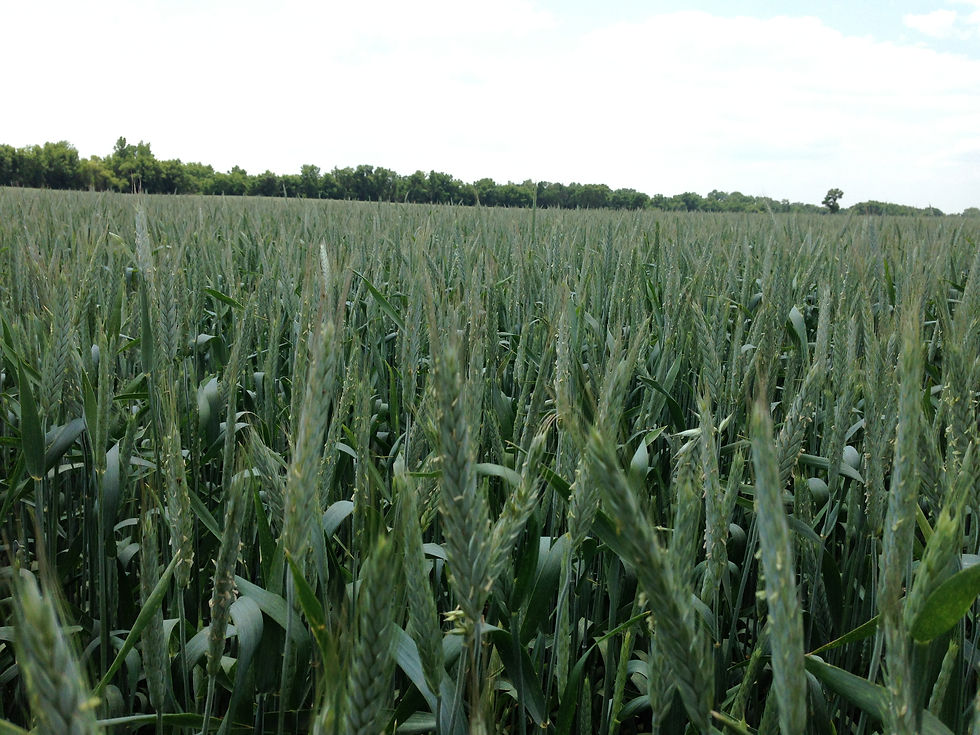
Fall is approaching fast, and livestock producers can start planning next year’s forage systems. Winter annual forages are a fantastic option to get you the first harvested feed for the year. These species are also excellent for taking advantage of snow melt and early season rains to better ensure a crop in drier environments.
Since most parts of the Upper Midwest have excellent soil moisture, September looks to be a great time to plant a winter annual. Species like cereal rye, triticale, winter wheat, and annual clovers have long been staples in many forage systems. Now, thanks to improved genetics and targeted breeding programs, new varieties are pushing performance and quality.
WINTER TRITICALE
Known for its versatility, impressive biomass production, and adaptability to variable conditions, winter triticale serves as a reliable option for a spring harvest. Triticale offers a unique balance of high yield potential of rye and the feed quality of wheat. But not all triticale is created equal. Maturity and harvest method are two important factors that should dictate your variety selection.
Triticale is grown across the country, so make sure to select one most suitable for your growing region. Winter survival is also a critical factor, especially in the Northern Plains. True winter types will show better winter hardiness ratings than facultative varieties.
The later maturing varieties will provide a longer harvest window, which ultimately leads to better quality feed. If you are in a double cropping forage system, an earlier maturing variety will allow your warm season annuals to be planted sooner.
Another characteristic to analyze is if the variety has an awn. An awnless or awnletted variety is much more desirable if you are putting up dry hay, because it prevents mouth abscesses.
FORAGE WINTER WHEAT
Forage winter wheat is also gaining renewed attention. Its nutritional profile surpasses rye, and even triticale at similar stages, with higher crude protein and improved digestibility. The forage varieties like Willow Creek and MTF 1435 are beardless and have consistently produced highly palatable hay. These won’t show quite the winter hardiness that rye and some triticale varieties have, so it is recommended that they are planted with ample time in the fall to prevent winter injury.
Annual clovers such as Balansa, Berseem, Mammoth Red, and Crimson have shown the ability to overwinter in mild environments. These legumes contribute free nitrogen and increase crude protein content of the forage mixes when added with the cereal.
Investing in improved winter annual forage varieties can payback in livestock performance and gives your farm operation flexibility and crop diversity. Take advantage of soil moisture now and get ahead on next year’s forage harvest by planting a winter annual this fall.
Photos courtesy Renovo Seed
learn more www.renovoseed.com
Renovo Seed, Brookings, S.D.
The team of folks at Renovo Seed have roots that run deep in farming, agriculture, and in the overall respect for the landscape. They opened their doors in 1987 and continue to walk alongside farmers, ranchers, and landowners across thousands of acres throughout the Midwest.
Comments